06.03.2026
10 mins
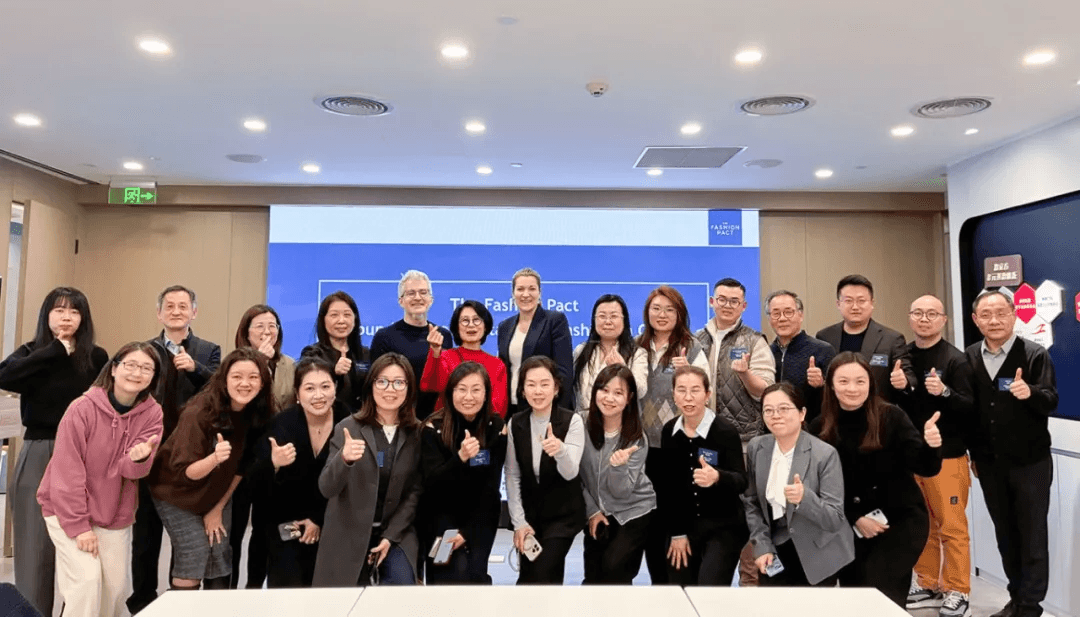
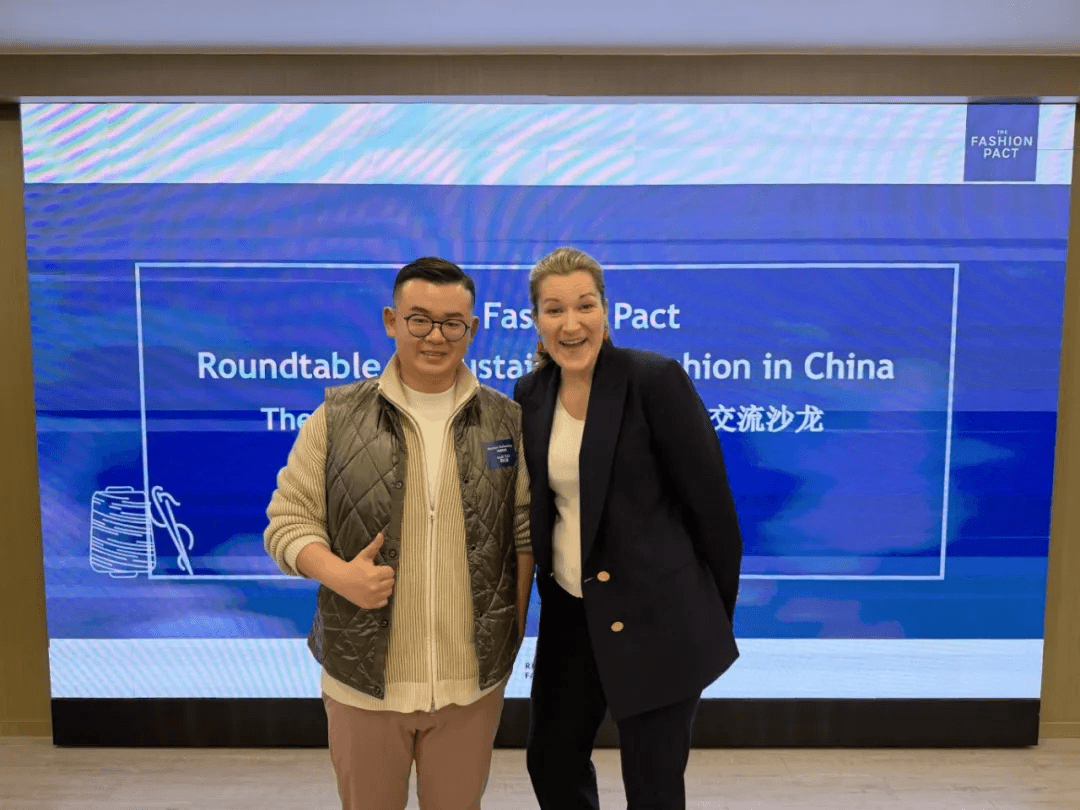
On March 5, ValleyDelta CEO Dr. Andi Tao joined industry leaders at The Fashion Pact China Sustainable Fashion Roundtable, held at Plaza 66, Shanghai. Organized by GREENEXT and co-hosted by Rethink Fashion and Yaok Institute, the event brought together brands, manufacturers, and sustainability leaders to discuss the future of sustainable fashion in China and beyond.
During the event, Eva von Alvensleben, Executive Director and Secretary General of The Fashion Pact, shared the initiative's vision for accelerating sustainability across the global fashion industry. Launched in 2019 by French President Emmanuel Macron and François-Henri Pinault, Chairman and CEO of Kering, The Fashion Pact is now the world's largest CEO-led sustainability coalition for the fashion industry, representing more than 160 companies across the global value chain.
Sustainability Is Becoming a Competitive Advantage
In her keynote remarks, Eva von Alvensleben emphasized China's critical role in the global fashion supply chain. With nearly 59% of the world's fashion products manufactured in China, she noted that Chinese companies have an essential role to play in advancing green manufacturing, material innovation, and large-scale industrial transformation.
Dr. Hong Zheng, Founder of GREENEXT, also highlighted that sustainability is no longer simply a corporate responsibility initiative—it is becoming a strategic capability that shapes long-term competitiveness. As global regulations tighten and low-carbon transformation accelerates, closer collaboration between brands, manufacturers, and technology providers is becoming increasingly important.
From Decarbonization to Industry Collaboration
Roundtable discussions focused on the practical challenges of sustainability implementation. Participants agreed that while decarbonization has become a shared objective across the industry, collaboration throughout the value chain remains one of the greatest barriers to large-scale progress. Commercializing circular business models, meeting increasingly complex compliance requirements, and translating sustainability investments into measurable business value were identified as common priorities.
Speakers also agreed that technological innovation—including advanced materials, AI, digital manufacturing, and waterless dyeing—will play a critical role in reducing the environmental footprint of textile production.
ValleyDelta: Sustainability Built on Efficiency
During the discussion, Dr. Andi Tao shared ValleyDelta's perspective that sustainability should never come at the expense of efficiency. Lasting industry transformation will depend on technologies that can be adopted at scale while delivering both environmental and commercial value.
Through its proprietary TDSD® (Textile Digital Smart Dyeing) technology, ValleyDelta is replacing conventional dyeing with an advanced digital inkjet process that significantly reduces water, energy, and chemical consumption while maintaining high productivity and cost efficiency. By making decarbonization both measurable and commercially viable, TDSD® provides textile manufacturers with a practical pathway toward more sustainable production.
As the fashion industry continues its transition toward a lower-carbon future, ValleyDelta will work alongside global partners to accelerate the validation and large-scale deployment of TDSD® technology—helping build a textile industry where sustainability, efficiency, and business performance advance together.
Let's Shape a Cleaner Future Together